Weather delays UK Car Transport Services: Delay & Disruption
How weather delays UK car transport services is a common concern as weather delays such as heavy rain, flooding, high winds, snowstorm or icy conditions can cause delays or cancellations and make routes impassable, reduce visibility and create hazardous road conditions that lead transport companies and transport providers to reroute or suspend services; during winter months and other adverse weather periods real-time weather forecasts and contingency plans help Transport service, transport logistics teams and transporters choose alternative routes or detours, plan ahead, reschedule pick-up times and alert customers to potential delays to minimise disruption and maintain customer satisfaction and vehicle safety, while experienced drivers, emergency services and fully charged vehicles assist road users in affected regions so transport options remain available despite longer travel times, road closures and other weather-related issues that are often unavoidable external factors requiring proactive measures for peace of mind.
Understanding Weather Delays on Car and Transport Services
When exploring how weather delays UK car transport services, it’s important to know how weather affects schedules and traffic conditions across the country; poor weather can cause weather-related disruptions that slow routes to major hubs like Heathrow, create challenges posed by icy roads that become hazardous, and force carriers to adjust timetables so the vehicle arrives safely. Customers should plan accordingly when booking transport.
Definition of Weather Delays
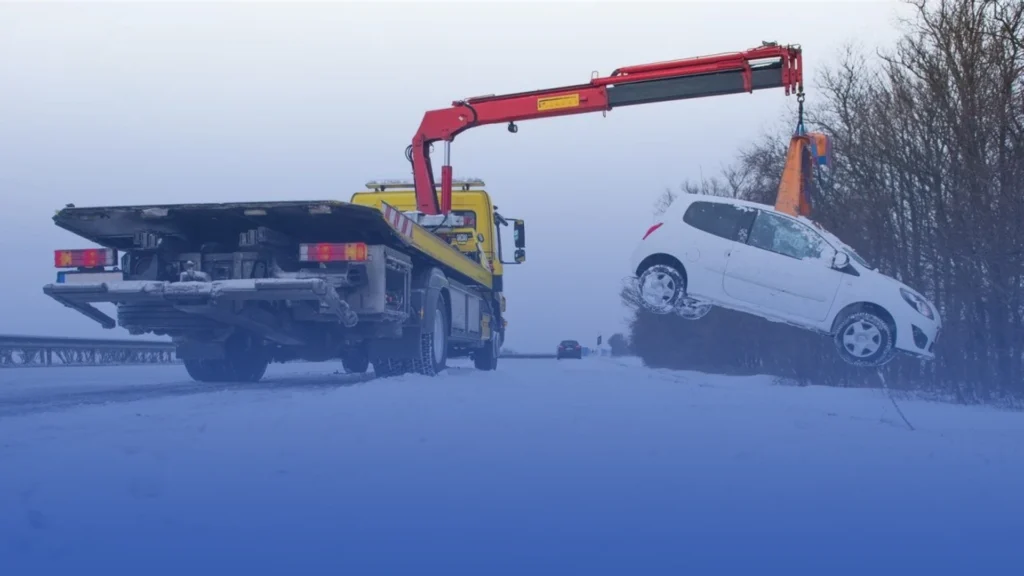
The weather can significantly delays delivery speed. Bad weather, such as heavy rain, snow, or high winds, can delay deliveries and make roads unsafe for drivers. These problems often result in longer delivery times and may even temporarily halt deliveries.
How Weather Conditions Affect Delivery Times
Major snowstorms can lead to road closures, especially on mountain passes and major highways in northern states, forcing transport carriers to wait or find alternative routes. Rerouting can add hundreds of miles to a trip, leading to delays in both pickup and delivery times. During intense downpours, truck drivers must reduce their speed to maintain control and ensure visibility, thereby slowing overall transit time. In areas prone to flash flooding, certain roads may become temporarily impassable, forcing drivers to wait or find an alternative route. During hurricane season, companies may need to suspend operations in affected regions, leading to significant delays. Prolonged downpours in the UK can make roads impassable, especially in low-lying or poorly drained areas, slowing or halting transport. Even major motorways in the UK can experience closures or severe slowdowns due to accidents, grit shortages, or visibility issues during snow and ice. Reduced visibility due to fog forces drivers to slow down, increasing travel time and reducing the number of deliveries that can be completed in a day. High winds can force drivers to pull over or avoid certain routes entirely, such as exposed bridges or elevated roads.
Common Types of Weather Disruptions
Severe weather patterns can disrupt delivery schedules by slowing transport, closing roads, and damaging goods. Flooding is a leading cause of delivery delays, especially in areas prone to heavy rain or poor drainage. Wildfires can stop deliveries by closing vast stretches of motorway and rural roads. Ships face unique weather risks, such as storms, strong winds, and rough seas. Fog and low visibility issues also impact car transport in the UK.
Impact of Weather on Car Transport
During intense downpours, truck drivers must reduce their speed to maintain control and ensure visibility. Fog and low visibility issues have a pronounced impact on car transport. Reduced visibility due to fog forces drivers to slow down, increasing travel time and reducing the number of deliveries that can be completed in a day. Fog-related accidents, although less frequent than those due to ice, can be severe and disrupt traffic for hours.
How Adverse Weather Affects Vehicle Transport
The UK’s variable climate, from heavy rainfall and snow to fog and high winds, can severely disrupt transport schedules, extend delivery times, and increase operational risks. Transport companies must continuously monitor weather forecasts to adjust routes, allocate the appropriate vehicles, and ensure driver safety. Such adjustments are necessary to prevent delays, accidents, or damage to the vehicles in transit. Even minor weather disruptions can lead to cascading effects that impact customers, logistics providers, and overall costs, illustrating how severe impacts can arise.
Specific Weather Conditions: Snow and Ice
When snow and ice occur in the UK, they create significant delays. Roads, especially those in rural or high-altitude areas, become hazardous for transporters carrying heavy loads. Even major motorways can experience closures or severe slowdowns due to accidents, grit shortages, or visibility issues, leading to delays. When icy conditions prevail, the safety of both the transport driver and the vehicles being moved is22 at risk. Most car transport services will choose to delay or cancel trips under such conditions, resulting in significant backlogs and rescheduling headaches.
Delivery Delays and Their Consequences
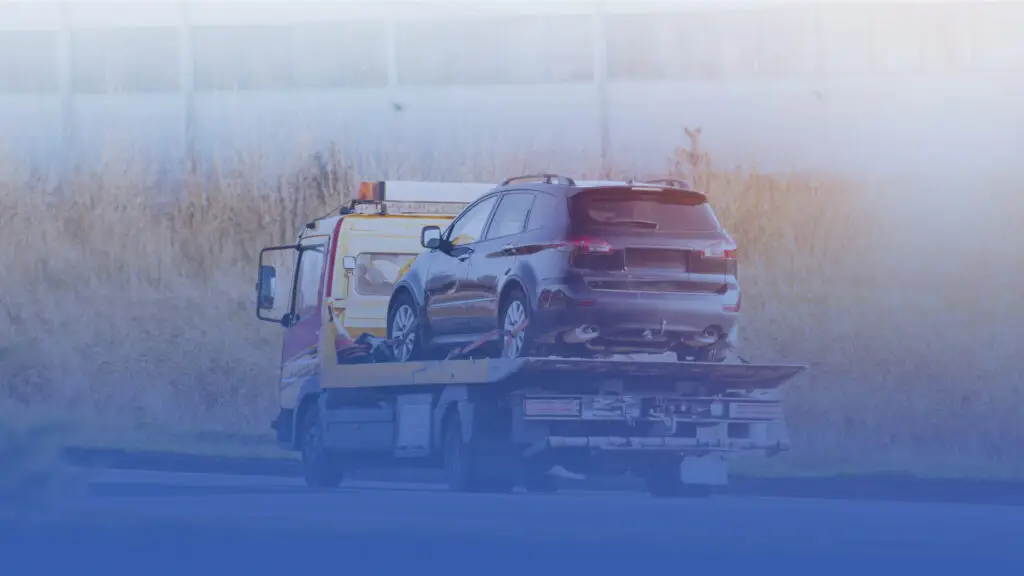
From a customer’s perspective, delayed car delivery can be frustrating, especially when the vehicle is urgently needed or tied to other plans like relocation or resale. Weather delays also have real financial impacts on transportation companies. Delays mean fewer deliveries per day, which reduces revenue while still incurring costs such as fuel, labor, and vehicle wear. Extended delays due to weather may require overnight accommodations for drivers or rescheduling staff across multiple departments.
Logistics of Car Delivery
The logistics of car delivery are significantly influenced by weather conditions, particularly how they affect UK car transport services. Adverse weather patterns, such as high winds, heavy rain, or snow, can disrupt vehicle transport, causing delivery delays. Companies often face challenges in managing expectations for car delivery due to unforeseen weather-related hazards. Tracking systems are essential for both transport companies and customers to monitor shipment progress and manage expectations during adverse weather. Furthermore, flexible scheduling can help mitigate the effects of weather delays, allowing for adjustments to delivery plans and car storage as necessary. As a comprehensive guide to understanding this issue, it is crucial to recognize that bad weather not only affects car transport logistics but can also cause delivery backlogs, ultimately impacting the UK supply chain. In the event of port closures or other weather-related damage, companies must be prepared to adapt their strategies to ensure efficient car delivery and minimize delays.
Understanding Delivery Lead Times
Understanding delivery lead times is crucial for anyone relying on car transport services in the UK, particularly given how weather delays can affect these timelines. Adverse weather conditions, such as heavy rain, snow, or fog, can significantly disrupt transport schedules, leading to unforeseen delays. Car transport companies must navigate these challenges to ensure the safe delivery of vehicles, which can result in altered expected delivery times. Awareness of these factors allows customers to plan accordingly and manage their expectations about vehicle arrival, ultimately fostering a better understanding of the logistics of car transport services in the UK.
The Role of Couriers in Weather Conditions
The role of couriers in weather conditions is vital, especially when considering how weather affects delivery in UK car transport services. Couriers are responsible for ensuring that vehicles are delivered safely and efficiently; however, adverse weather conditions, such as heavy rain, snow, or fog, can significantly hinder their operations. These weather-related challenges can delay transportation schedules, affecting not only the timely delivery of vehicles but also the overall logistics of the car transport industry. Couriers must adapt their strategies and implement safety measures to navigate these difficulties, ensuring that vehicles reach their destinations without compromising on safety or quality of service. Couriers must work closely with emergency services and keep up to date with fire maps. Flexible routing and temporary holding facilities help reduce delays; however, some items may take longer than usual to arrive.
Strategies for Managing Delivery Delays
Preparation and information are key to keeping deliveries on track during adverse weather conditions. Companies can reduce disruption by planning ahead and using accurate weather reports. A good contingency plan helps delivery teams respond quickly when conditions change, thereby reducing the likelihood of delays. Access to reliable weather data enables delivery operations to adapt proactively, preventing problems before they arise, and ensuring that vehicle logistics run smoothly.
Comprehensive Guide to Mitigating Weather Effects
Understanding how weather delays impact UK car transport services is crucial for both customers and businesses, particularly dealerships and car manufacturers. Adverse weather conditions, such as high winds, snow, and heavy rain, can significantly affect delivery times and disrupt vehicle transport logistics. These weather-related issues often lead to delays due to unsafe conditions, which may block or flood roads, thereby affecting transport routes and vehicle logistics. Companies often face challenges managing expectations during these times, as deliveries are delayed and backlogs can build, sometimes lasting weeks or even months. To help manage expectations and build trust, it is essential to provide regular delivery updates and to use real-time weather-tracking systems. By prioritizing flexible scheduling and taking safety precautions, transport companies can help mitigate the impact of weather-related delays. Moreover, understanding the specific weather patterns and potential hazards can assist in vehicle logistics, rerouting drivers and ensuring timely car delivery, even in the face of unpredictable weather events.
Preparation and Planning for Weather Challenges
Businesses should regularly inspect their delivery routes and key facilities for weather-related damage, such as potholes, flooding, or structural weaknesses. Quick repairs to roads, loading docks, and warehouses reduce hazards and create safer conditions for delivery vehicles and staff. Upgrading infrastructure can prevent repeated damage. Installing better drainage, reinforcing roofs, and using weather-resistant materials help facilities withstand severe weather. Businesses can also utilise backup generators or emergency lighting to mitigate power outages. Maintaining flexibility means being prepared for potential supply disruptions.
Analysis of Flooding Events and Their Effects on Transport
Heavy rainfall leading to flooding is one of the most common weather-related challenges in the UK. Prolonged downpours can make roads impassable, especially in low-lying or poorly drained areas. Flooded roads not only slow down or halt transport but also pose serious risks to the vehicles being carried. Open trailers expose cars to water damage if routes take them through affected regions. In many cases, transport companies must delay collections or drop-offs until the water levels subside. Rerouting due to flooding can lead to longer travel times and increased fuel costs.
Lessons Learned from Severe Weather Incidents
Storms like Storm Ciara or Storm Eunice caused nationwide disruption, halting operations completely. These storms are prime examples of how weather delays impact UK car transport services. In extreme cases, trees and power lines may fall onto roads, creating hazards or forcing lengthy detours that delay the entire day’s schedule.
Future Predictions: Preparing for Weather Challenges
With climate change increasing the frequency and intensity of extreme weather events, the impact on UK car transport services is likely to grow. Warmer winters may reduce snowfall but lead to more frequent flooding. Storm intensity is expected to increase, as is the unpredictability of seasonal weather. Transport companies must invest in resilient infrastructure, better driver training, and advanced planning tools to stay ahead of the curve. The question of how weather delays impact UK car transport services will become even more critical as the industry adapts to these long-term shifts.
To stay compliant with the UK transport regulations, every business should stay up to date with the official guidance published by the UK government on trade plate vehicle use (see the latest document here: https://www.gov.uk/vehicle-registration/trade-licence-plates).
For more information about our vehicle delivery process, please visit our Service Page at www.ukvehicledelivery.co.uk.
Check out our case studies: Facebook, Instagram, LinkedIn.
FAQ’s
How far in advance should I book car transport during the winter months?
When considering car transport services during the winter months in the UK, it is essential to book in advance to account for potential weather delays. Typically, it is advisable to book at least two to four weeks prior to your desired transport date. This allows the transport company to manage its schedules effectively and anticipate disruptions caused by adverse weather, such as heavy snowfall or icy roads. By planning, you can ensure a smoother transport experience and minimise the environmental impact of winter weather on your vehicle’s delivery.
Will my car be safe during a weather delay?
When considering how weather-related delays affect UK car transport services, a primary concern for customers is whether their vehicles will remain safe during such disruptions. Weather-related delays, such as those caused by heavy rain, snow, or strong winds, can lead to extended transit times, but reputable transport companies take numerous precautions to ensure that cars are protected throughout the journey. These companies often use covered transport methods and secure their vehicles to prevent damage from the elements, particularly in adverse weather. Additionally, they monitor weather conditions closely and adjust their routes and schedules accordingly to minimise risks. Therefore, while delays may occur due to adverse weather, the safety and security of your car are prioritised by professional transport services.
Are weather-related delays covered by insurance or compensation policies?
Weather-related delays can significantly impact UK car transport services, raising essential questions about whether they are covered by insurance or compensation policies. Many transport companies include specific clauses in their contracts addressing delays caused by adverse weather, such as heavy snowfall, flooding, or storms, which can have a profound impact on delivery timelines. Understanding the terms of these policies is crucial for customers, as coverage can vary widely between providers. Some companies may offer compensation or alternative arrangements in cases of severe weather, while others may stipulate that such delays are outside their control, thereby limiting liability. Customers should review their transport agreements carefully and inquire about the specifics of insurance coverage regarding weather-related delays to ensure they are adequately protected in such situations.