
Trade Plates & Trade Licence Plates: Best Guide from Insurance Brokers
Trade Plates & Trade Licence Plates: A Guide from Insurance Brokers — If you are wondering, “Can I deliver a car without road tax using trade plates?”, the short answer is: sometimes, but only under specific conditions. Trade plates are issued to motor traders so they can move unregistered or untaxed vehicles for business purposes (for example, delivering a newly purchased car, taking a vehicle to a showroom, or driving it to a repair shop), provided the vehicle is covered by appropriate trade insurance. The plates are used in accordance with DVLA rules and local law. Trade plates do not act as a blanket exemption from other legal requirements — the vehicle must be driven only for permitted trade-related activities, the trader must be authorised to use trade plates, and you must ensure your insurance policy explicitly covers movements made under trade plates. Always check the exact legal and insurance requirements before delivering an untaxed car, as misuse can result in fines, vehicle seizure, or insurance invalidation.
Understanding Trade Plates
Understanding trade plates is vital if you ask “can I deliver a car without road tax using trade plates” because uk trade plates are temporary registration plates placed on vehicles to allow motor traders and vehicle testers to drive a vehicle for purposes such as delivery without the need to register and tax each car, but trade plates must be displayed correctly and trade plates cannot be used for private hire or personal use; trade plate usage is governed by trade plate regulations from the driver and vehicle licensing agency (DVLA) and the use of the trade plates comes with conditions including having a valid motor trade insurance certificate and a motor trade insurance policy that names the motor trader or motor trade business, so a copy of your motor trade insurance certificate or proof of insurance showing the name on your insurance certificate is essential, and motor trade insurance specialists or insurance brokers can help ensure the insurance certificate matches the name on the trade licence; trade plates are a valuable tool for the motor trade industry and motor trade professionals because trade plates allow movement of a vehicle without the need for a tax each car individually.
Plates can save you time, and trade plates can offer convenience across the UK. Still, plates must only be used for the motor trade; misuse of trade plates, or misusing them, can lead to penalties since trade plates are temporary. Plates must only be used by those authorised. If a vehicle is presented for testing or driven as a car without tax or a vehicle without an MOT, you must still comply with appropriate insurance and the motor insurance database, and ensure you follow the guide to trade plates and apply for trade plates or trade licence plates through the correct channels.
What are Trade Plates?
Trade plates are temporary registration plates issued by the Driver and Vehicle Licensing Agency (DVLA). They allow motor traders and vehicle testers to temporarily move vehicles, driven under trade plates, for strictly business purposes, including untaxed and unregistered vehicles, on public roads.
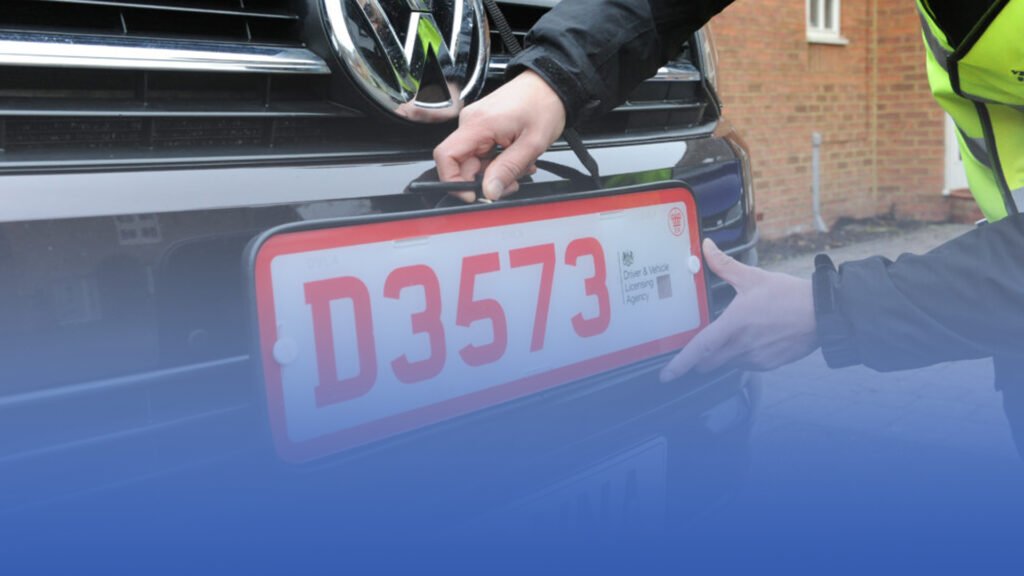
Importance of Trade Plates in the UK
Using trade plates helps businesses comply with legal requirements, simplifies record-keeping, and ensures that all vehicles operated under trade plates meet necessary safety and insurance standards. This system helps streamline operations for garages, dealerships, and repair shops without requiring a tax on every vehicle. Trade plates simplify the process by eliminating the need to register and tax every vehicle individually.
Who Needs Trade Plates?
You can apply for trade licence plates if you’re a motor dealer, motor trader, or vehicle tester. If you collect or deliver vehicles, you’ll also be eligible as long as either this is the only thing your business does or you also manufacture or repair vehicles. This means your company sells, manufactures, or repairs vehicles, or tests other people’s cars on public roads. To apply for trade plates, you must be eligible as a motor trader, vehicle tester, or business involved in vehicle manufacture, repair, or delivery, such as Jensten Motor Trade.
Have you checked out our essential article on Trade Plate Delivery vs Transporter truck: What’s best for dealers?
Using Trade Plates
Using trade plates can be a valuable option for vehicle dealers and motor traders who need to move unregistered or untaxed cars between locations. Still, it’s essential to understand the rules if you’re asking, “Can I deliver a car without road tax using trade plates?” Trade plates are issued to licensed motor traders and allow vehicles to be driven on public roads for specific purposes, such as delivering cars, undergoing road tests, or taking vehicles to and from a garage. Still, they do not replace the need for proper insurance, and the plates must be used in accordance with the issuing authority’s conditions. In practice, if you hold valid trade plates and the vehicle is covered under appropriate trade insurance, you can usually move a car without paying vehicle excise duty for that trip, provided the journey is legitimate, documented, and the plates are correctly displayed; however, misuse of trade plates — such as using them for personal travel, extended delivery routes outside permitted purposes, or on vehicles not associated with your trading business — can result in fines, invalidation of insurance, and other penalties. Always check the specific legal requirements and guidance from your local licensing body before relying on trade plates for delivering an untaxed vehicle, keep records of the delivery, and ensure the car is roadworthy and insured for the intended journey.
How to Use Trade Plates Effectively
How to use trade plates effectively: if you’re wondering “can I deliver a car without road tax using trade plates”, trade plates can legally allow unregistered or untaxed vehicles to be moved for specific dealer-related purposes, but they must be used correctly — ensure the plates are valid and displayed on the car, the trade plate owner authorises the driver, the movement falls within permitted activities (such as delivery to a buyer, taking a vehicle for repair, or test driving between premises), and the car is covered by appropriate trade insurance rather than standard personal cover; always carry documentation proving the vehicle’s status and the reason for movement, keep journeys within permitted areas and times, and check current DVLA and local regulations to avoid fines or seizure, because misuse or delivering a car outside the scope of trade plate rules can lead to penalties even if the vehicle has no road tax. Trade plates can be transferred between cars as needed.
Read more about our other article, Car Transport Service: Find the Right Car Shipping Companies, for more information.
Legal Requirements for Using Trade Plates
Several rules govern the display of trade plates, and failure to follow them can result in fines of up to £5000, a possible jail term, or the invalidation of the trade licence. Even with trade plates, vehicles must be insured under a valid motor trade policy, have a valid MOT certificate (unless being driven to a pre-booked MOT test), and be roadworthy and safe to operate. Trade plates can only be used legally for specific business-related activities, including test drives after repairs or servicing, deliveries of vehicles to customers, transporting stock between locations, driving to or from a pre-booked MOT test, road testing vehicles for mechanical assessment, and demonstrating cars to potential buyers. You can only use trade plates on vehicles that are safe to drive (‘roadworthy’), are insured, and have a valid MOT, or are exempt from needing an MOT. You can only use the plates for the purpose you wrote on your application form. Motor traders must maintain accurate records of who drove the vehicle, the date and time of use, the purpose of the journey, and the vehicle’s details, especially when using motor trade plates. The DVLA or law enforcement may request these records to verify compliance with the regulations governing the use of trade plates.
Common Misconceptions about Trade Plates
Using trade plates outside their legal scope is a serious offence. You must not use them for personal travel (e.g., driving in the UK) because it violates trade plate regulations. Commuting, shopping, drive vehicles that are not roadworthy, uninsured, or without a valid MOT (unless en route to a pre-booked MOT), park vehicles with trade plates on public roads unless actively engaged in business use, or allow non-employees or customers to drive cars with trade plates unless supervised and for business purposes. A trade plate is not a get-out-of-jail-free card; all it does is cover the driver for road tax and provide authorities with a way to send fines or contact the driver should they need to. Trade plates are not meant for use on trailers or transporters. If a car is being carried on a trailer, it does not require trade plates, but insurance and ownership documentation are still needed.
Applying for Trade Plates
Applying for trade plates is a straightforward process for motor traders who need to move unregistered or untaxed vehicles, and if you’re wondering “can i deliver a car without road tax using trade plates,” the short answer is yes in many jurisdictions provided you meet the rules: you must be a registered motor trader, complete the application with proof of business status and identity, pay the applicable fee, and comply with the conditions of use (such as displaying plates correctly, only using them for trade-related movements and ensuring vehicles are roadworthy and insured where required). Applications are usually made through your local vehicle licensing authority or online portal, and you may need to return plates at renewal or cancellation; always check specific local regulations for permitted use, documentation required during transport, and penalties for misuse to ensure you can legally and safely deliver a car without road tax using trade plates.
Step-by-Step Guide to Apply for Trade Plates
To apply for trade plates, the VTL301 form (found on the GOV.UK website) must be completed, and proof of business must be shown through registration documents, insurance details, or evidence of trade activity.
Documents Required to Get Trade Plates
The paperwork thus verifies the trip’s legitimate business nature, particularly when using motor trade plates. Documents required to get trade plates typically include proof of identity (such as a passport or driving licence), proof of business trading status or company registration (VAT registration, certificate of incorporation or a recent utility bill showing the trading address), evidence of a permanent business address, CR (or V5C) details for vehicles if relevant, and proof of adequate insurance that covers vehicles moved on trade plates; depending on jurisdiction you may also need to complete an application form and pay a fee. If you are asking “can I deliver a car without road tax using trade plates,” the answer depends on local rules: trade plates are issued explicitly to licensed motor traders and allow movement of vehicles for sale, test drives, or delivery without individual vehicle tax being applied to each car, provided the vehicle is covered by the appropriate trade-plate insurance and the plates are used only for permitted purposes—so you must show the trade plate documentation and insurance when applying and ensure you comply with conditions attached to trade plate use.
Cost of Trade Plates in the UK
The minimum licence you can apply for is 6 months, so a fee will need to be paid for a 6-month or 12-month licence for the car in the UK. A motorcycle requires a different trade plate than a car, and rates are typically lower. Cost of trade plates in the UK varies depending on whether you buy or lease them and which supplier you use, but you should also understand how they interact with road tax rules — specifically whether “can I deliver a car without road tax using trade plates” is permitted: trade plates (or dealer plates) are a cost-effective solution for motor dealers, typically ranging from around £50–£200 for temporary usage or setup fees, with annual licences from the Driver and Vehicle Licensing Agency (DVLA) for registered trade plate holders potentially costing a few hundred pounds when applications, renewal and administrative fees are included; importantly, trade plates allow unlicensed or untaxed vehicles to be driven for specific trade-related purposes such as delivery between premises, MOTs or road tests, provided the car is covered by the trader’s insurance and the use complies with DVLA conditions, so while they can enable delivery of cars without individual road tax, they do not replace the need for the correct trade plate licence, insurance and adherence to the legal limitations on their use.
Trade Licence Plates Explained
Trade Licence Plates Explained: Trade plates are special registration plates issued to vehicle dealers, repairers, and other authorised businesses to allow the movement of unregistered or untaxed vehicles for specific business purposes, and if you’re wondering “can I deliver a car without road tax using trade plates?” the short answer is: sometimes — but only within strict legal limits. Trade plates can be used to test, demonstrate, transfer, or deliver vehicles. At the same time, they remain untaxed or unregistered, provided an authorised person drives the car, the journey is for a legitimate business purpose, the trade plate is correctly assigned and displayed, and appropriate insurance is in place; they are not a blanket exemption to avoid paying road tax for regular private use, cannot be used for personal journeys, and misuse can lead to fines, seizure of plates and prosecution, so always check the specific rules and conditions set by your local vehicle licensing authority before relying on trade plates for deliveries.
Difference Between Trade Plates and Trade Licence Plates
Trade plates are temporary registration plates issued by the Driver and Vehicle Licensing Agency (DVLA) that allow traders to drive unregistered or untaxed vehicles on public roads. If you wonder “can I deliver a car without road tax using trade plates”, the short answer is that trade plates and trade licence plates serve a specific role in the motor trade but are not a blanket permit to drive a car without the need to register and tax every vehicle; trade plates are temporary registration plates issued by the DVLA for the part of the motor trade to allow movement of vehicles for sale, testing or delivery on public roads without the need to tax each car individually, provided the is covered by valid motor trade insurance and the plates are placed correctly on the number plate positions.
The trade plate system and trade plate regulations make clear that trade plates must only be used by a motor trader, vehicle tester or someone new to the motor trade operating under a trade licence, and trade plates cannot be used for private journeys or to hide a car without an MOT — misuse of trade plates or misusing trade plates can lead to penalties and invalidation of motor trade insurance policies. To use trade plates, you must apply for a trade plate via the DVLA, hold an appropriate trade licence and motor trade insurance certificate from motor trade insurance specialists or insurance brokers, and understand that while trade plates save the need to register and tax each vehicle individually in certain circumstances, plates are a valuable, temporary tool in the UK motor trade and plates must only be displayed and used according to the guide to trade plates and trade plate usage.
How to Obtain a Trade Licence
You need to apply for a trade licence for the type of plates you need. If your application is approved, you’ll be sent your trade plates. You can apply for extra trade licences if you need more sets of plates. You’ll need to renew your licence before it expires. To obtain a trade licence you must first register as a motor trader with your local licensing authority, provide proof of business premises or approved storage, obtain appropriate insurance, and apply for trade plates if you intend to move untaxed vehicles; many traders ask, “can i deliver a car without road tax using trade plates,” and the answer is that trade plates permit movement of vehicles for trade purposes without individual road tax, but only when used in strict accordance with the licence conditions—so ensure you complete the formal application, pay any fees, demonstrate compliance with safety and record-keeping requirements, and understand the legal limits on using trade plates before delivering cars without separate road tax.
Insurance Implications of Trade Licence Plates
Can I deliver a car without road tax using trade plates? In the UK the short answer is that trade plates are designed for the specific purpose of trade plates and trade plate usage in the motor trade industry, allowing a motor trader or vehicle tester to drive a vehicle between premises, to an MOT, or for sale without registering and taxing each vehicle individually — but plates can only be used in defined circumstances and trade plates cannot be used to avoid the need to register and tax every vehicle permanently. Trade plates for motor use are temporary registration plates issued by the DVLA, and trade plates must be displayed on the vehicle; trade licence plates and number plates issued for trade require a valid trade licence, a motor trade insurance policy or motor trade insurance certificate from motor trade insurance specialists or insurance brokers, and compliance with trade plate regulations.
Using trade plates comes with strict conditions: plates must only be used by a motor trader operating a motor trade business, and trade plates are a valuable tool for the uk motor sector but misuse of trade plates can lead to penalties, including requiring you to tax each vehicle, penalties from the Driver and Vehicle Licensing Agency, and issues on the motor insurance database. If you want to apply for trade plates or get trade plates you must apply for a trade licence, show appropriate insurance cover (a motor trade policy) and follow a guide to trade plates so you don’t inadvertently drive a vehicle without tax or a car without an MOT in contravention of the law; UK Vehicle Delivery specialists advise that plates must be used only for the permitted purposes and that you still need to register and tax vehicles when required, so always consult a specialist before attempting to drive a car or deliver a vehicle with trade plates in the UK.
Motor Trade Insurance and Trade Plates
Motor trade insurance and trade plates allow motor traders to move, test drive and deliver vehicles that are not yet registered to a private owner, but whether you can deliver a car without road tax using trade plates depends on meeting strict conditions: trade plates legally cover untaxed vehicles only when affixed correctly and used by a dealer or motor trader covered by valid motor trade insurance for the specific activity (such as delivery or road testing), you must follow the DVLA rules and any local regulations, and trade plates cannot be used to avoid paying vehicle tax permanently or for private use—so always check your policy wording and the statutory guidance before relying on trade plates to move an untaxed car.
Role of Motor Trade Insurance in Using Trade Plates
Even with trade plates, vehicles must be insured under a valid motor trade policy. Motor trade insurance typically covers a wide range of activities, from moving cars between locations to road testing and delivering new purchases.
Choosing the Right Motor Trade Insurance
If the vehicle being delivered is particularly high-value or specialized, the insurance policy must explicitly include coverage for such vehicles to avoid any gaps in protection, especially when using motor trade plates.
Insurance Implications of Trade Plates
Even with red trade plates, you are still meant to use your judgment on the condition of the vehicles you are driving under the use of trade plates. If you feel that there is anything about the car that would make it unreasonable to drive on the road, you should not drive it.
Need to Know About Trade Plates
Need to Know About Trade Plates: If you’re wondering “can i deliver a car without road tax using trade plates”, the short answer is: sometimes — but only within strict legal limits. Trade plates are issued to motor traders so vehicles can be driven for business purposes such as moving, demonstrating, or delivering cars that are not individually taxed or registered; however the vehicle must be covered by appropriate motor trader insurance, the correct trade plates must be fixed to the car, and the journey must be for a permitted trade purpose (not private use). You must also ensure the vehicle meets any MOT requirements for the type of journey and that you comply with all DVLA rules and local laws; misuse of trade plates — for example, using them to avoid road tax for private driving or without proper insurance — can lead to fines, seizure of the vehicle, and prosecution. If you’re unsure whether a specific delivery qualifies, check the DVLA guidance or consult an insurance or legal expert before moving the car.
Key Considerations for Motor Traders
By following DVLA guidelines, maintaining proper records, and ensuring vehicles are safe and insured, you can save time and money while keeping your business compliant and efficient. It is worth noting that trade plate licences are issued with fixed expiry dates – either June 30th or December 31st – which means the licence’s actual duration depends on when you apply for your motor trade plates. These fixed periods are designed to provide flexibility and convenience. Those who fail to comply with trade plate regulations risk having their trade plate privileges revoked, a consequence that can severely disrupt day-to-day operations.
Implications of Trade Plates on Vehicle Ownership
Without access to trade plates, businesses are forced to register and tax each vehicle individually, even for short-term use. Implications of trade plates on vehicle ownership are essential to understand, particularly if you are wondering “can I deliver a car without road tax using trade plates”: trade plates are issued to vehicle traders and certain motor trade businesses to allow unregistered vehicles to be driven on public roads for specified business purposes, such as moving, demonstrating, road testing, or delivering vehicles, but they do not remove the legal requirement to comply with road tax rules for the vehicle’s everyday use or long-term ownership; while a properly used trade plate can permit a dealer to deliver a newly sold vehicle to a customer without the vehicle having its own tax paid, this is only lawful when the movement fits the restrictions of the trade plate licence, the person driving is authorised by the plate holder, and appropriate insurance and documentation are in place—using trade plates to routinely avoid paying vehicle tax, to move privately owned cars outside permitted purposes, or beyond the plate’s conditions can lead to fines, seizure of the vehicle or plates, and other penalties, so owners and dealers must ensure they follow local regulations, register the vehicle to the new owner promptly, and arrange the correct tax and insurance after delivery to avoid legal issues related to ownership transfer and taxation.
Resources for Further Information on Trade Plates
For detailed information about the Insurance Implications of Trade Plates, to ensure you are correctly covered or would like to discuss a new policy, don’t hesitate to get in touch with UK Vehicle Delivery, and one of our experienced team members will discuss the options with you.
To stay compliant with the UK transport regulations, every business should stay up to date with the official guidance published by the UK government on trade plate vehicle use (see the latest document here: https://www.gov.uk/vehicle-registration/trade-licence-plates).
For more information on our vehicle delivery process, please visit our Service Page at www.ukvehicledelivery.co.uk.