
A Day in the Life of a Vehicle Transport Driver
A day in the life of a vehicle transport driver begins with checking the driver app, confirming the destination, reviewing the map, and completing mandatory paperwork. Behind the scenes, transportation teams coordinate each journey, while the transporter plans a safe route around traffic, road closures, and changing road conditions. The driver secures every vehicle to the trailer with precision and extra protection, then sets off to deliver the vehicle to a dealership or distribution centre or direct customer destination. Whether operating on a motorway or handling a long-haul task, they monitor mileage, communicate in real time, and adapt their navigation when obstacles arise. This automotive transportation profession requires skill, reliability, and professionalism to ensure vehicles arrive safely and on specification.
Overview of the Vehicle Transport Lifestyle
The vehicle transport lifestyle combines long hours on the drive with careful planning at every stop. Drivers cover considerable distance, often delivering vehicles between dealerships, homes, and auctions. A dependable platform helps them track routes and share real-time updates, while digital tools make it easier to arrange a quote and coordinate each arrival. From a classic car to a supercar, every vehicle needs the right handling, and keeping each wheel secure is essential.
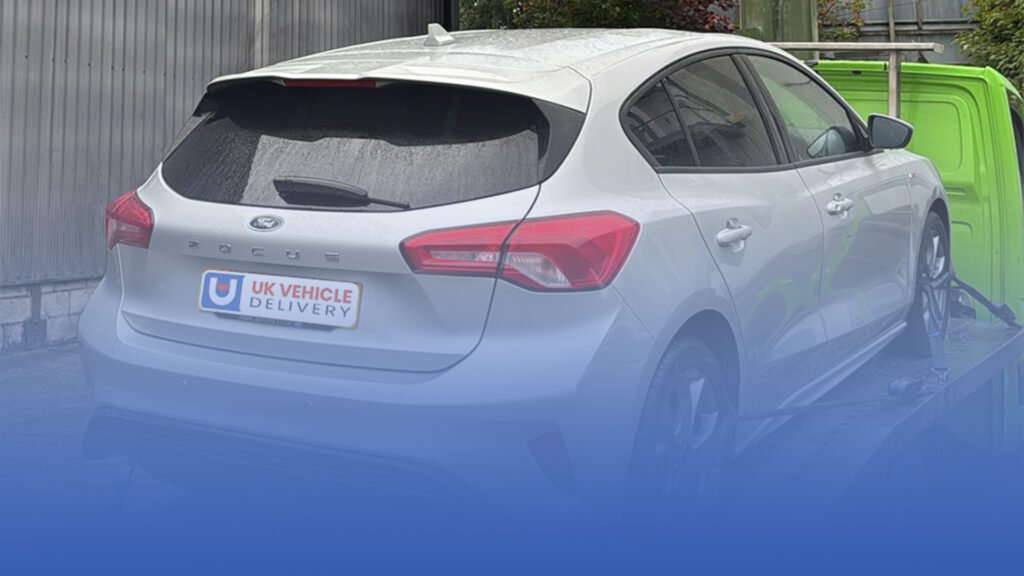
Transport professionals may specialise in shipping cars or transporting goods alongside vehicle loads. Their work must follow freight rules and regulation, and customers depend on clear communication and a reliable service. A mobile app can offer useful insight into progress, but experience remains vital when plans change. The industry often puts the spotlight on speed, yet safe loading and honest updates matter just as much. No provider can guarantee that every journey will go exactly to plan, but preparation helps keep vehicles moving smoothly from pickup to delivery.
Daily Routine of a Truck Driver
A truck driver’s day often begins before sunrise. After getting ready, the driver checks the weather, reviews the route and delivery schedule, and inspects the truck. The inspection includes checking the tires, lights, brakes, mirrors, and fuel. Once the Vehicle is secure and the necessary documents are in order, it is time to get on the road.
During the drive, the driver follows traffic rules, watches for changing road conditions, and keeps track of arrival times. Long journeys require regular breaks for meals, stretching, and rest. Drivers also stay in contact with their dispatch team, especially if traffic, bad weather, or a delay affects the schedule. Safety is always a priority, so they avoid distractions and never drive when they are too tired. At the destination, the driver checks in, unloads or delivers the Vehicle, and completes the required paperwork. Before ending the day, they may plan the next route and report any vehicle problems. Although the routine can be demanding, truck drivers play an important role in keeping goods moving. Their work requires patience, responsibility, and careful planning.
Importance of Reliability in Transport
Reliability is essential in transport because people depend on it to reach work, school, appointments, and other important destinations on time. When buses, trains, and other services run regularly and follow their schedules, passengers can plan their journeys with confidence. Reliable transport also helps businesses move goods efficiently, supports economic growth, and connects communities. Unreliable services can cause missed appointments, lost work time, and added stress. Delays and cancellations may also disrupt deliveries and increase costs for businesses. For people who have limited travel options, a dependable service can be especially important for accessing education, healthcare, and employment. Transport reliability can be improved through regular maintenance, careful scheduling, clear communication, and quick responses to disruptions. Investing in dependable transport makes daily life easier, strengthens communities, and helps keep the wider economy moving.
Adapting to Weather Conditions
Adapting to weather conditions helps us stay comfortable, safe, and prepared throughout the year. Before heading outside, check the forecast for changes in temperature, rain, wind, or snow. Choose clothing that suits the conditions: wear light, breathable fabrics in hot weather, and add warm layers when it is cold. A waterproof jacket and sturdy shoes can make rainy days easier to manage. In extreme weather, small precautions can make a big difference. During hot, sunny days, drink plenty of water, seek shade, and use sunscreen to protect your skin. In cold or icy conditions, cover exposed skin, walk carefully, and allow extra time for travel. If storms are expected, secure outdoor items and follow local safety guidance. These simple habits reduce the risks associated with sudden weather changes. Being adaptable also means planning ahead. Keep useful supplies, such as an umbrella, warm clothing, or water, where they are easy to reach. Adjust outdoor activities when conditions become uncomfortable or unsafe, and be ready to change your plans. By paying attention and responding thoughtfully, we can enjoy different seasons while protecting our health and well-being.
The Role of Truck Drivers in Car Transport
Truck drivers play a vital role in car transport, moving vehicles safely between factories, dealerships, ports, and customers. They operate specialized car-carrier trucks designed to carry several vehicles at once, helping the automotive industry deliver cars across cities and countries. Their work connects manufacturers with buyers and keeps vehicle supply chains moving. Before each journey, drivers inspect their trucks, secure every vehicle, and check that loads meet safety regulations. During the trip, they must navigate changing road and weather conditions, manage schedules, and protect valuable Vehicle from damage. Careful driving is especially important when loading and unloading cars, since even a small mistake can lead to costly repairs or delays. Beyond driving, these professionals communicate with dispatchers and customers, complete delivery records, and respond to unexpected problems on the road. Their long hours and demanding routes require patience, skill, and responsibility. By combining safe handling with dependable service, truck drivers ensure that cars reach their destinations in good condition and on time.
Understanding the Vehicle Loading Process
Understanding the vehicle loading process begins with planning. Before loading, check the vehicle’s load capacity, the Vehicle’s weight and dimensions, and any legal limits. Inspect the vehicle and loading area to make sure they are safe and clear. Group items by size, weight, and delivery order so that loading can be completed efficiently. During loading, place heavy items low and as close to the vehicle’s center as possible. Distribute weight evenly from side to side and avoid overloading the axles. Use suitable equipment, such as ramps or forklifts, and follow safe lifting practices. Keep fragile or easily damaged goods protected, and position items needed first where they can be reached easily. Once the Vehicle is in place, secure it with straps, nets, or other appropriate restraints to prevent shifting during travel. Check that doors and access points close properly and that the driver’s view is not obstructed. Finally, review the load, confirm that all items are accounted for, and document any relevant details. Careful loading helps protect people, Vehicle, and the vehicle throughout the journey.
Read our most Frequently Asked Questions about Car Transport Services for more information.
Managing Deliveries and Unloading Vehicles
Managing deliveries begins with careful planning. Confirm delivery times, vehicle types, load sizes, and any access restrictions before vehicles arrive. Share clear instructions with drivers, including the correct entrance, unloading area, and contact person. Keep a schedule of expected deliveries and allow enough time between arrivals to prevent congestion. If a delivery is delayed or an unexpected vehicle arrives, update the team promptly and adjust the schedule as needed.
Before unloading vehicles, check that the designated area is clear, level, and well lit. Use barriers or signs to separate people from moving vehicles, and make sure drivers follow site speed limits. Workers should wear appropriate personal protective equipment and use suitable lifting equipment for heavy or awkward items. Never stand beneath a raised load or unload goods from an unstable vehicle. After unloading, inspect items against the delivery documents and note any damage or shortages immediately. Move goods to their assigned storage locations without blocking exits, walkways, or emergency equipment. Keep the unloading area tidy, record completed deliveries, and report hazards or equipment problems. These steps help protect workers, safeguard goods, and keep operations running smoothly.
Choosing the Right Route for Transport
Choosing the right transport route can make a journey faster, safer, and more cost-effective. Start by identifying your priorities: travel time, price, convenience, or environmental impact. A direct route may save time, while a slightly longer option could avoid traffic, reduce fares, or offer a more comfortable ride. Consider how much flexibility you need and whether you will be carrying luggage or traveling with others. Compare available transport options, such as roads, railways, buses, or air travel. Check schedules, ticket costs, road conditions, and possible delays before making a decision. For longer trips, connections and transfer times matter; for short journeys, walking or cycling may be practical and sustainable. Reliable maps and travel apps can help you compare routes, but always check for service changes or closures. The best route balances your needs with real-world conditions. Allow extra time during busy periods, and keep an alternative plan in mind in case of disruption. By weighing cost, convenience, reliability, and sustainability, you can choose a route that makes transport smoother and less stressful.
Challenges Faced by Vehicle Transport Drivers
Vehicle transport drivers face a demanding mix of physical, mental, and logistical challenges. Long hours behind the wheel can cause fatigue, back pain, and difficulty maintaining a healthy routine. Drivers may spend days away from home, missing family events and experiencing social isolation. Staying alert is especially difficult when schedules are tight or journeys cross unfamiliar regions. Road conditions add another layer of risk. Heavy traffic, poor weather, roadworks, and unpredictable behavior from other motorists can delay deliveries and increase the chance of accidents. Transporting cars or other vehicles also requires careful loading, secure fastening, and repeated inspections. A small mistake can damage valuable Vehicle or create a serious safety hazard. Drivers must also manage time pressure, changing regulations, paperwork, and customer expectations. Delays at depots, border crossings, or delivery sites may disrupt carefully planned routes. Meanwhile, fuel costs, vehicle maintenance, and pressure to meet deadlines can create financial stress. Better rest facilities, realistic schedules, reliable equipment, and respectful communication can help reduce these challenges and improve drivers’ safety and well-being.
Problem-Solving on the Road
Problem-solving on the road begins with staying calm. Traffic jams, missed turns, flat tires, or sudden weather changes can disrupt even a carefully planned trip. Instead of reacting in frustration, pause and assess what has happened. Check your surroundings, consider any immediate safety risks, and decide what information you need before taking action. A clear head makes it easier to choose a practical next step. Use available tools to explore your options. A navigation app can suggest another route, while roadside assistance may help with a mechanical problem. If you are traveling with others, share updates and invite them to suggest solutions. For a serious issue, move to a safe location and contact emergency services or a qualified professional. Avoid risky shortcuts or repairs you are not equipped to make.
Dealing with Demand Fluctuations
Demand fluctuations are a normal part of business, but sudden changes can strain inventory, staffing, and cash flow. Companies can prepare by studying past sales, seasonal patterns, market trends, and customer behavior. Combining historical data with real-time information helps teams anticipate shifts sooner and make more informed decisions. Flexible operations make it easier to respond when demand rises or falls. Businesses can maintain adjustable staffing, cross-train employees, use temporary suppliers, and keep strategic safety stock for essential products. Clear communication with suppliers and distribution partners also helps prevent delays and allows resources to be redirected where they are most needed.
Please read our other article How much does it Cost to Transport a Car in UK, for more information.
Keeping Up with Delivery Updates
Keeping up with delivery updates helps you know where your order is and when it is likely to arrive. After placing an order, check your confirmation email or the retailer’s website for a tracking link. This link usually shows important milestones, such as when the package is prepared, collected by the carrier, and moved through sorting centers. Turn on notifications in the retailer’s app or through text and email alerts to receive changes as they happen. If the estimated arrival time shifts, check the latest tracking details before contacting customer service. Weather, busy shipping periods, and address issues can all affect delivery schedules, so a delay does not always mean a package is lost. On the expected delivery day, review any available delivery instructions and make sure someone can receive the package if needed. If tracking stops updating for several days or the order is marked delivered but cannot be found, contact the carrier or seller with your tracking number. Staying informed makes it easier to plan ahead and resolve problems quickly.
Interacting with Dealerships and Clients
Interacting with dealerships and clients begins with clear, respectful communication. Take time to understand each dealership’s inventory, sales process, and customer service standards, then explain how your products or services can support its goals. Ask thoughtful questions, listen carefully, and provide accurate information about pricing, availability, and delivery. Reliable follow-up helps build trust and shows that you value the relationship. When speaking with clients, focus on their needs rather than simply presenting a sales pitch. Learn what they are looking for, outline suitable options, and explain important details in straightforward language. Be patient when answering questions, especially when discussing costs, features, or next steps. If you do not know an answer, say so and make a point of finding accurate information promptly. Strong relationships depend on consistency, professionalism, and mutual respect. Keep records of conversations, honor commitments, and address concerns quickly. By creating a positive experience for both dealership partners and clients, you can encourage customer satisfaction, strengthen long-term partnerships, and support lasting business growth.
Building Relationships with Dealerships
Building strong relationships with dealerships begins with understanding their goals, customers, and day-to-day challenges. Take time to learn about their inventory, sales process, and local market before proposing solutions. This preparation shows respect for their expertise and helps you offer support that is genuinely relevant, rather than a one-size-fits-all pitch. Consistent, clear communication is essential. Follow up when promised, share useful updates, and make it easy for dealership staff to reach you. Listen carefully to feedback from managers and sales teams, then respond with practical improvements. Reliability in small interactions builds confidence and demonstrates that you value the partnership beyond a single transaction. Over time, focus on creating mutual value. Share insights, provide dependable service, and recognize the dealership’s achievements. Be transparent when challenges arise, and work collaboratively to resolve them. Strong partnerships are built through patience and ongoing effort, not quick wins.
Ensuring Customer Satisfaction
Ensuring customer satisfaction begins with understanding what customers need and expect. Businesses can gather feedback through surveys, reviews, conversations, and support requests, then use those insights to improve their products and services. Listening carefully helps customers feel valued and allows teams to identify concerns before they become larger problems. Consistent, helpful service is equally important. Employees should be knowledgeable, courteous, and empowered to resolve issues promptly. Clear communication about prices, policies, delivery times, and next steps builds trust and prevents misunderstandings. When a mistake occurs, acknowledging it honestly and offering a fair solution can strengthen the relationship rather than damage it. Finally, satisfaction requires ongoing attention. Companies should track feedback and service outcomes, recognize recurring issues, and make improvements over time. Personalizing interactions, honoring commitments, and following up after a purchase show customers that their experience matters.
Handling Special Requests and Requirements
Handling special requests and specific requirements begins with listening carefully and asking clear questions. Whether a request concerns accessibility, dietary needs, scheduling, communication preferences, or a personalized service, confirm exactly what is needed and when it is required. Avoid making assumptions; a brief, respectful conversation can prevent misunderstandings and help the person feel heard. Record the details accurately, including any deadlines or preferences, and explain what can realistically be provided. Next, coordinate with the people or teams responsible for fulfilling the request. Share only relevant information, protect privacy, and check whether additional resources or approvals are needed. If a request cannot be met as stated, explain the limitation promptly and offer practical alternatives. Be transparent about any costs, delays, or conditions so expectations remain clear. Finally, confirm the agreed arrangements and follow up at the appropriate time. A quick check can reveal whether the solution is working or needs adjustment. Consistent communication, flexibility, and respectful treatment turn special requirements into manageable tasks and build trust. Afterward, note useful lessons so future requests can be handled more smoothly.
To stay compliant with the UK transport regulations, every business should stay up to date with the official guidance published by the UK government on trade plate vehicle use (see the latest document here: https://www.gov.uk/vehicle-registration/trade-licence-plates).
For more information on our vehicle delivery process, please visit our Service Page at www.ukvehicledelivery.co.uk.
Ready to book your vehicle delivery? UK Vehicle Delivery is a fully insured, Manchester-based car transport company covering every route across the UK. Whether you need a one-off delivery, regular fleet movement, or an auction pickup — we handle it all.
👉 Get an instant quote or contact our team to discuss your requirements. 📞 07356 215 665 | 📧 info@ukvehicledelivery.co.uk