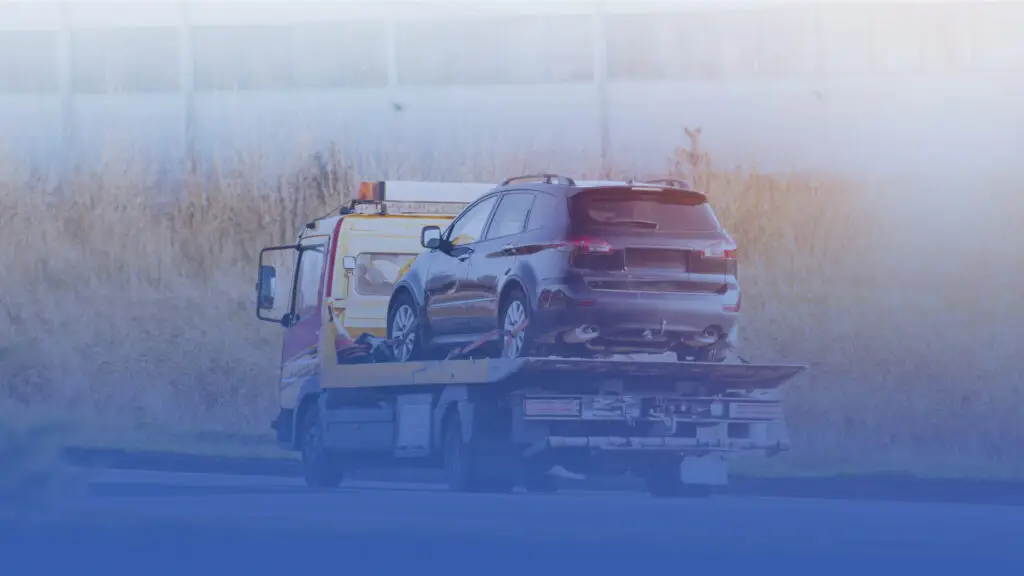
What Happens if Your Car Damaged During Transport in the UK?
Although car damage during transport in the UK is rare with reputable carriers, being prepared and understanding the right steps to take can help shippers turn a potentially stressful situation into a manageable one. Knowing customers’ rights, the importance of thorough documentation, and how car shipping insurance works are the best defenses. That knowledge helps shippers navigate vehicle transport issues more confidently and steer toward a swift resolution. At Preowned Auto Logistics, the team believes in transparency and preparation. This guide walks readers through every step of the process, ensuring they know exactly what to do to protect their investment.
Understanding Car Damaged During Transport in the UK
If your car is damaged during transport in the UK, the first steps are to check the carrier’s condition report and take dated photographs, then notify the transport operator immediately and file a formal claim; the operator’s liability, their insurance cover and the terms shown on the booking confirmation will determine whether repairs are paid for, a cash settlement is offered, or the vehicle is returned to you as-is. Keep all paperwork—estimate, repair invoices and the vehicle inspection report—to support your case, and if the carrier refuses liability, you can escalate via the company’s complaints procedure, use an independent assessor for a damage appraisal, or pursue alternative dispute resolution and ultimately the small claims court if necessary. Acting quickly, documenting damage thoroughly and understanding carrier terms and insurance excesses are essential to resolving what happens if your car is damaged during transport in the UK.

Common Causes of Car Damage
Road hazards and accidents are one risk, as a multi-car carrier is subject to all the same risks as any other vehicle on the road. Broken glass, debris, potholes, and traffic accidents can cause damage. Improper loading, securing, or handling is a human error category. Damage can occur if a driver does not carefully drive the vehicle up the ramp, if the vehicle is too tall, or if another vehicle on the carrier is leaking fluids. The greatest risk is improper securing; if chains and straps are too loose, too tight, or improperly applied, the vehicle can shift during transport, resulting in dents, scratches, or damage to the suspension. Weather-related risks, such as hailstorms, heavy rain, snow, or high winds, can cause cosmetic damage or blow dust and debris onto a vehicle’s finish.
Signs Your Car is Damaged
When your vehicle arrives and you suspect signs your car is damaged, inspect your vehicle immediately and look at the car from multiple angles, photograph the vehicle’s condition and ask for proof on the bill of lading (BOL) to confirm how it was loaded onto a carrier; if the car is damaged during shipping contact the transport company immediately and your insurance company to file a claim — the claims process will determine whether cargo insurance or car shipping insurance covers damage and what deductible applies. Damage during transport is rare but can be caused by weather and road debris on open carriers, loose parts during loading and unloading, or mechanical failure such as a dead battery in a non-running vehicle, so pre-transport steps like removing all personal items, securing loose parts and the V5C logbook, and making the car roadworthy and in working condition help protect your car. For high-value vehicles, classic car or luxury car owners should consider enclosed transport or inside a fully covered trailer rather than open transport for peace of mind; working with a trusted, reputable transport provider reduces risk, clarifies who pays repair costs if damage occurs and ensures the vehicle will arrive in the same condition it was ready to ship. If a damaged car is received, document everything, save the bill of lading, speak with the transport provider and the transport company’s claims department, and be prepared to file a claim with your insurance company to cover repair costs or pursue the transport service if their transport insurance does not cover the damage.
Types of Damage That Can Occur
Scratches or dents detected upon delivery will be considered the result of poor handling. If chains and straps are too loose, too tight, or improperly applied, the vehicle can shift during transport, resulting in dents, scratches, or damage to the suspension. A sudden hailstorm can cause much cosmetic damage in a matter of minutes. Heavy rain, snow, or high winds can blow dust and debris onto a vehicle’s finish.
Car Shipping and Insurance Coverage
When you wonder what happens if your car is damaged during transport in the UK, the first step is to inspect your vehicle upon delivery and compare the car’s condition to the bill of lading (BOL) or proof that proves the vehicle’s pre-shipment state; although damage during transport is rare, damage during shipping can occur from road debris, weather and road debris, or mechanical failure, so working with a trusted company and the right carrier helps protect your vehicle and provide peace of mind. If the car is damaged, contact the transport company immediately and document loose parts, non-running vehicle issues, and any visible car damage with photos and the BOL—this starts the claims process with the transport provider or the insurance company that covers damage during transport. Most reputable transport services offer auto shipping with shipping insurance works through cargo insurance or car shipping insurance that covers damage caused while shipped on open carriers or inside a fully covered trailer; for shipping high-value or luxury car and classic car customers, consider enclosed transport to avoid exposing vehicles to the elements or open transport risks. To protect your car, remove all personal items, secure or remove loose parts before loading and unloading onto a carrier, and confirm insurance coverage, deductible, and whether the transport service will pay repair costs or require you to file a claim with their claims department; if you choose the right transport and a reputable transport company, your vehicle arrives in the same condition and you’re more likely to have the claim resolved quickly so your car shipping experience remains reliable.
Importance of Car Shipping Insurance
It is essential to check whether your vehicle transport service includes insurance for non-running cars. Some companies offer standard coverage, while others may require you to purchase additional insurance. Many transport services provide insurance coverage, offering financial protection in case of unexpected damage. Most transport companies provide basic insurance, but you should check the coverage amount, whether it includes loading/unloading damage, and if extra insurance is needed for high-value cars. Vehicle transport insurance is simple; Just know who covers what. Knowing what’s covered, or not, will help protect and give you peace of mind when shipping your car.
What Your Insurance Covers
Every auto transport carrier that is licensed and bonded must have liability and cargo insurance, per federal law. This insurance coverage is specifically for damage to your vehicle while it’s being driven. This coverage protects against damage caused while the vehicle is being transported, caused by driver error, negligence, or defective parts. What it doesn’t cover: Coverage does not include items left inside the car, pre-existing damage as noted on the Bill of Lading, or otherwise non-physical damage issues like a mechanical failure that is not due to the driver or the carrier vehicle. The carrier’s insurance is primary coverage in the event of a claim. A typical policy covers $250,000 per truckload, which is sufficient for most vehicles.
Choosing the Right Transport Company
Selecting the right vehicle transport company is crucial when shipping a non-running car in the UK. Not all transporters have the necessary equipment or experience to handle inoperable vehicles, so it is essential to research and choose a reliable provider. Look for a company with a proven track record in transporting non-running vehicles. Reading online reviews and testimonials can provide insights into the quality of service. Verify whether the transport company provides adequate insurance for inoperable vehicles. Ensure the company has the right equipment (such as winches or forklifts) to safely load and unload your vehicle. Request a detailed quote and check for any hidden fees or additional costs. Your choice of shipping partner is the most significant factor in door-to-door car shipping safety. Only work with companies that are fully licensed by the Federal Motor Carrier Safety Administration (FMCSA) and are transparent about their insurance coverage.
Claims Process After Car Damage
If your car is damaged during transport in the UK, begin the claims process by documenting the condition of the vehicle immediately—take photos, note any new scratches or dents, and record the type of transport used, whether it was a door-to-door service, trailer or open transport truck, as this can affect liability and coverage. Contact the carrier and your insurer promptly, provide the transport contract and inspection reports, and ask about their damage report procedure and timescales; a clear chain of evidence and an accurate log of the transport movements will speed up assessment, repair approvals and any compensation due under the carrier’s or insurer’s policies.
Steps to Take Immediately After Damage Occurs
Don’t just accept the keys and rush to sign paperwork; the driver is expecting you to perform a post-trip inspection. Use your pre-shipment photos and your copy of the original Bill of Lading and do a full walk-around. Compare and contrast every square inch of the car to the notes and diagrams on the original BoL. Look at the roof, under the bumpers, and at the wheels, preferably in good light or with a powerful flashlight at night. If the car is dirty, ask the driver if you can note that the car is “too dirty to inspect” or perform the inspection as well as you can. If you find new damage and it was not noted on the BoL at pickup, you must document it right away, before the driver pulls away. Take clear photos and videos of the new damage from different angles and distances, ideally with a coin or your finger for size reference.
Filing an Insurance Claim
After documenting the damage and notifying the company, you start the formal auto transport claims process. The transport company will either provide you with an instruction guide or a claim form. You’ll need to submit this, along with your supporting documentation. Patience is crucial during the claims process, as the carrier’s insurance company needs time to review the evidence, assess liability, and approve repairs. Receipt of your documents may take a few days to a week for the claims department to acknowledge and assign an adjuster. The adjuster will assess the BoL, photos, and estimates, and may also contact the driver for a statement. This investigative phase can last several weeks. Following the investigation’s completion and claim approval, the insurance company will issue a settlement, typically in the form of a check made out either to you or directly to the body shop for the amount of the lowest reasonable estimate.
Documentation Needed for Claims
Essential supporting documentation includes a copy of the original Bill of Lading from pickup, showing the initial condition. You also need a copy of the final Bill of Lading from delivery, with the new damage clearly noted and signed by both you and the driver. Your pre-shipment and post-delivery photos and videos are also required. At least two (sometimes three) written estimates for the repair work from reputable, licensed body shops are needed. A clear, written statement describing the damage should also be included.
Protecting Your Vehicle During Transport
When protecting your vehicle during transport, it’s essential to know what happens if your car is damaged during transport in the UK: document the condition with time-stamped photos before pickup and after delivery, check the carrier’s insurance and the terms of their liability, and report any damage immediately so you can start a claim; reputable car transport companies will provide a condition report, guide you through the claims process, and either repair the vehicle or compensate you according to their policy and UK consumer protection laws, so keeping all paperwork, booking confirmations and inspection records will speed up resolution and help ensure you receive fair compensation.
Tips to Prevent Car Damage
Properly preparing your non-running car for transport is essential to prevent further damage and ensure a smooth process. Remove personal belongings, as transport companies typically do not allow personal items inside the car during shipping. Provide key information to the transporter, informing the company about the car’s exact condition, including whether it has working brakes, steering, and wheels. Ensure the car is accessible; if the vehicle is in a hard-to-reach location, consider moving it to a more accessible area before the transporter arrives. Check for fluid leaks, as leaks can pose a safety hazard, so it’s best to inform the transport company if your vehicle has any. Secure loose parts; if there are any loose or damaged parts, secure them to prevent further damage during transport.
Choosing the Right Transport Type
Open transport is the most common and cost-effective method. Your vehicle travels on an open-air carrier, similar to those you see delivering new cars to dealerships. It is a very safe option for most standard vehicles. For classic, luxury, exotic, or high-value vehicles, enclosed transport offers the ultimate protection. Your car is shipped inside a fully covered trailer, shielding it from all weather, road debris, and potential hazards. This service comes at a premium price but provides maximum security and peace of mind.
Maintaining Peace of Mind While Transporting
Maintaining peace of mind while transporting your vehicle starts with knowing what happens if your car is damaged during transport in the UK: first, inspect the car immediately on delivery and photograph any damage, then notify the carrier and request their damage report; most reputable hauliers carry public liability or commercial vehicle insurance and are contractually responsible for loss or damage during transit, but you should check their terms and your policy excess—if the carrier accepts liability they will arrange repair or compensation, otherwise you’ll need to file a claim with the carrier’s insurer and provide the delivery inspection report, photographs, and all transport documentation; be aware of time limits for reporting damage and for taking disputes to the small claims court if necessary, and to maintain peace of mind consider choosing an insured, accredited carrier, obtaining written terms of carriage, and taking out additional transit insurance to cover gaps in liability.
Car Shipping and Insurance Coverage
When considering car shipping and insurance coverage, remember that damage during transport is rare but can still occur, so inspect your vehicle upon delivery and compare the condition of the vehicle to the bill of lading (BOL) or bol before signing; if the car is damaged during shipping you should contact the transport company immediately and your insurance company to file a claim or insurance claim through the carrier’s claims department, noting repair costs, deductible and any loose parts or road debris that caused damage. Choosing the right transport service — reputable transport, open carriers or enclosed transport — matters: open transport and open carriers can expose vehicles to the elements and weather and road debris, while enclosed transport or inside a fully covered trailer is recommended for classic car, luxury car or other high-value vehicles to protect your vehicle and provide peace of mind. To protect your car, remove all personal items, secure loose parts and ensure the vehicle is roadworthy and ready to ship, whether it is a non-running vehicle or a working condition car, and document the loading and unloading process on the bol to streamline the claims process if damage occurs. Understand how shipping insurance works—cargo insurance, transport insurance or car shipping insurance may cover damage caused during transport and explain what happens if your car is damaged: the transport provider or insurance company reviews the insurance coverage, determines liability, and pays for covered repair costs minus any deductible, so working with a trusted company and confirming insurance coverage before auto shipping or vehicle transport helps ensure your car arrives in the same condition it was shipped.
Importance of Car Shipping Insurance
If your car is damaged during transport in the UK you should immediately document the damage, notify the carrier and your insurer, and check the carrier’s terms and the shipping contract; with adequate car shipping insurance the loss can be assessed quickly, a damage survey carried out and either authorised repairs arranged or compensation paid up to the policy limits after any excess is deducted. The claims process normally requires photos, delivery notes and a written damage report from the driver or transport company, and if liability is disputed you can escalate through the insurer’s dispute resolution or seek independent inspection; without insurance owners risk facing repair or replacement costs themselves, longer delays while responsibility is established, and limited recourse if the transporter’s liability is restricted in the contract, so purchasing comprehensive cover and understanding excesses, deductibles and timeframes for reporting is essential.
For more information regarding the costs, read our other article on How much does it Cost to Transport a Car in UK.
What Your Insurance Covers
When you wonder what happens if your car is damaged during transport in the UK, knowing what your insurance covers is essential: most transport companies require a bill of lading (BOL) and will document the condition of the vehicle upon pickup and upon delivery so you can inspect your vehicle and note any car damage during transport, whether shipped on open carriers or inside a fully covered trailer via enclosed transport; if damage occurs from weather and road debris, loading and unloading incidents, loose parts, or mechanical failure, contact the transport company immediately and your insurance company to start the claims process—you may need to file a claim with the transport provider and/or your insurance company’s claims department, provide the BOL and photos, and pay a deductible while cargo insurance or car shipping insurance determines whether insurance coverage covers damage caused to a classic car, luxury car, high-value vehicles, or a non-running vehicle; to protect your vehicle and avoid disputes, remove all personal items, secure loose parts, ensure the car is roadworthy, and consider enclosed transport for peace of mind so your car arrives in the same condition it was shipped, but remember that damage during transport is rare and working with a trusted, reputable transport provider and understanding how shipping insurance works will help cover repair costs and ensure you know what happens if your car is shipped and a damaged car arrives upon delivery.
Choosing the Right Transport Company
Choosing the right transport company can make all the difference if your car is damaged during transport in the UK: reputable hauliers carry comprehensive insurance, carry out a pre-collection condition report and take photographs, and will guide you through making a formal damage claim so you understand carrier liability and time limits for reporting. If damage occurs, notify the driver immediately, record the details, contact the transporter’s claims department with the booking reference and evidence, and keep copies of all documentation; if the carrier refuses responsibility you can escalate to the insurer, seek independent vehicle repair estimates, and if necessary refer the dispute to the relevant industry ombudsman or pursue legal advice to recover repair costs or diminution in value. Choosing a transporter with clear terms, written guarantees and a strong track record reduces the risk and speeds up resolution should anything go wrong.
Claims Process After Car Damage
Claims Process After Car Damage: If your car is damaged during transport in the UK, the first step is to inspect your vehicle upon delivery and document the condition of the vehicle with photos and the bill of lading (BOL), because most transport providers require immediate notice; damage during transport is rare but when damage occurs you should notify the transport company immediately and the insurance company to start the claims process. Whether your car is shipped on open carriers or inside a fully covered trailer, note any loose parts, road debris marks, or evidence of loading and unloading issues and keep records of the type of transport used—open transport, enclosed transport, or auto transport for classic car, luxury car or high-value vehicles—since enclosed transport can protect your car from weather and road debris and often provides extra peace of mind for shipping high-value or non-running vehicles. The transport company and their claims department will compare the vehicle’s working condition at pickup to its working condition on arrival and assess whether damage was caused by negligence, mechanical failure, or exposure, and you may need to file a claim with transport insurance or cargo insurance; understand your deductible and whether the transport company’s policy or your own car shipping insurance covers repair costs. To protect your vehicle, work with a reputable transport company, remove all personal items, secure loose parts, and consider enclosed transport or shipping insurance works that specifically cover car damage during transport—this protects your car so it can arrive in the same condition it was ready to ship, giving you confidence that a damaged car will be handled promptly and fairly through the insurance claim and repair costs process.
Steps to Take Immediately After Damage Occurs
When damage occurs during transport, inspect your vehicle immediately upon delivery and document the condition of the vehicle with photos and notes on the bill of lading (BOL); if the car is damaged, contact the transport company immediately and your insurance company to start the claims process and file a claim—remember to check whether the transport insurance or your own car shipping insurance covers the repair costs and what deductible applies. If loose parts are present or the vehicle is a non-running vehicle, avoid moving it and record any damage caused by road debris, weather and road debris, or loading and unloading operations; for high-value vehicles, classic car or luxury car owners should consider enclosed transport or inside a fully covered trailer next time to protect your vehicle and provide peace of mind. Whether the car was shipped on open carriers or shipped on open transport, a reputable transport provider and clear documentation of the condition of the vehicle, the BOL, and communication with the claims department will help the insurance claim proceed smoothly and increase the chance your vehicle will arrive in the same condition or that repair costs will be covered.
Read our most Frequently Asked Questions about Car Transport Services for more information.
Filing an Insurance Claim
If you’re wondering what happens if your car is damaged during transport in the UK, document everything immediately: inspect your vehicle upon delivery and photograph the condition of the vehicle, any loose parts, road debris damage and damage caused to paint or bodywork; note the bill of lading (BOL) and the transport service details, including whether the car was shipped on open carriers or inside a fully covered trailer (enclosed transport), and record the transport company and transport truck identity to support a claim. Whether your car is damaged, a damaged car, or a classic car or luxury car shipped as a high-value vehicle, you’ll need documents showing the condition of the vehicle before loading and upon delivery, the type of transport (open transport or enclosed transport), odometer readings and any pre-existing mechanical failure, dead battery or non-running vehicle notes. Contact the transport provider and the insurance company or claims department of the transport company immediately to file a claim; include the bill of lading, photos, receipts for repair costs, estimates, and records of loading and unloading or if the car was shipped on open and exposed to weather and road debris. Understand the shipping insurance works: check if transport insurance, car shipping insurance, cargo insurance or insurance coverage with a deductible applies and whether the transport company’s policy covers damage during shipping or you need to pursue an insurance claim through your own insurance company; the claims process may ask for proof that you removed all personal items, secured loose parts and prepared the car ready to ship. Working with a trusted, reputable transport company and choosing the right transport—consider enclosed transport for peace of mind when shipping high-value vehicles or a classic car—helps protect your vehicle and increases the chance it will arrive in the same condition, but if damage occurs you’ll be better positioned to file supporting documentation to prove car damage during transport and obtain compensation for repair costs.
Documentation Needed for Claims
When documentation is needed for claims after your car is damaged during transport, act quickly: inspect your vehicle upon delivery and take photos of the condition of the vehicle, any loose parts, road debris damage and visible car damage, then notify the transport company immediately and your insurance company to start the claims process; keep the bill of lading (BOL) and any paperwork from the transport provider or transport service, note whether the car is shipped on open carriers or inside a fully covered trailer (enclosed transport), and record details about loading and unloading, the transport truck and type of transport used (open transport versus enclosed transport) because shipping high-value or a classic car or luxury car may require additional shipping insurance or cargo insurance; shipping insurance works differently depending on whether the transport company’s insurance covers damage during shipping or you need car shipping insurance through your insurer, so be prepared to file a claim, provide estimates for repair costs, understand your deductible, and cooperate with the claims department to prove that the vehicle arrives in the same condition it was ready to ship—this protects your car, helps determine whether damage was caused by weather and road debris or mechanical failure, and gives you peace of mind when working with a trusted, reputable transport provider to protect your vehicle whether it is a non-running vehicle, a high-value vehicle, or an everyday car being transported.
Protecting Your Vehicle During Transport
If you’re asking “what happens if your car is damaged during transport in the UK”, the first steps are to check the carrier liability and your insurance cover, file a damage report and complete a condition report signed at delivery; reputable hauliers will have a clear claims process and provide track and trace records to support your case. Protecting your vehicle during transport starts with pre-transport inspection photos and agreeing documented terms with the transporter so any dents or scratches can be attributed correctly — this speeds up settlements and ensures timely repairs or compensation under the carrier’s policy.
Tips to Prevent Car Damage
When asking “what happens if your car is damaged during transport in the UK”, the best defence is prevention: choose a reputable, insured carrier, read the contract carefully, and request proof of insurance and vehicle handling procedures; take detailed photos and video of your car before handover, note existing dents and scratches on the delivery receipt, secure loose parts and personal items, and ensure the transporter uses appropriate straps and covers—if damage does occur, immediately document it, report it to the transporter and your insurer, and follow the UK claims process with the evidence you collected to speed up repair or compensation.
Choosing the Right Transport Type
Choosing the right transport type can significantly reduce the chances of damage, and if your car is damaged during transport in the UK, you should first inspect the vehicle on delivery, record all damage with photos and notes, and check the carrier’s condition report; report the damage to the transporter immediately and obtain their incident report. Next, contact your insurer to notify them and confirm whether to claim under your policy or pursue the carrier’s liability—many professional haulers carry public and goods-in-transit insurance and should have a clear claims procedure. Keep all paperwork, booking confirmation and delivery receipts, and request a copy of the driver’s log and any CCTV or tracking records; if the carrier denies responsibility, escalate through their complaints process and, if necessary, seek independent vehicle repair estimates and consider legal or mediation routes such as Small Claims Court or advice from Citizens Advice for disputes in the UK.
Read more about our latest article, Car Transport Service: Find the Right Car Shipping Companies, for more information.
Maintaining Peace of Mind While Transporting
Maintaining peace of mind while transporting your car in the UK means knowing what to do if your car is damaged during transport in the UK: first, inspect and photograph all damage on delivery and compare it to the carrier’s condition report or inventory, then notify the transporter immediately and request their certificate of insurance and claims procedure; next, contact your own insurer to log a claim and obtain repair estimates, keep all receipts and written correspondence, and if the transporter refuses liability you can escalate with a formal written complaint and, if necessary, pursue a damage claim through the small claims court or via alternative dispute resolution to seek compensation for repairs or recovery costs.
To stay compliant with the UK transport regulations, every business should stay up to date with the official guidance published by the UK government on trade plate vehicle use (see the latest document here: https://www.gov.uk/vehicle-registration/trade-licence-plates).
For more information on our vehicle delivery process, please visit our Service Page at www.ukvehicledelivery.co.uk.
Ready to book your vehicle delivery? UK Vehicle Delivery is a fully insured, Manchester-based car transport company covering every route across the UK. Whether you need a one-off delivery, regular fleet movement, or an auction pickup — we handle it all.
👉 Get an instant quote or contact our team to discuss your requirements. 📞 07356 215 665 | 📧 info@ukvehicledelivery.co.uk